Consumer goods industry trends are increasingly shaped by three forces: health-conscious consumption, digital-first marketing systems, and strategic alliances between major global brands. These shifts are redefining how products are created, marketed, and distributed across global markets.
The consumer packaged goods industry is no longer just about putting products on shelves. It is becoming a fast-moving system where data, partnerships, and consumer behavior decide which brands grow and which disappear. What used to be stable categories like food, beverages, and household products are now constantly evolving under pressure from health trends and digital transformation.
At the center of this change is a simple reality: consumers are more informed, more selective, and more connected than ever before. That shift is forcing companies to rethink everything—from product ingredients to advertising strategies and global partnerships.
Takeaways
- Consumer demand is shifting toward health-focused and functional food products with measurable market growth.
- Digital marketing tools like CRM systems and mobile campaigns are now central to CPG brand growth.
- Strategic alliances between major companies help reduce risk and expand global reach.
- Retail consolidation and private label brands are increasing pressure on traditional CPG companies.
Health and Wellness Driving Product Innovation
One of the strongest forces reshaping the consumer goods industry is the shift toward health-conscious consumption. Consumers are paying closer attention to ingredients, nutrition, and long-term wellness outcomes, which has pushed companies to redesign entire product lines.
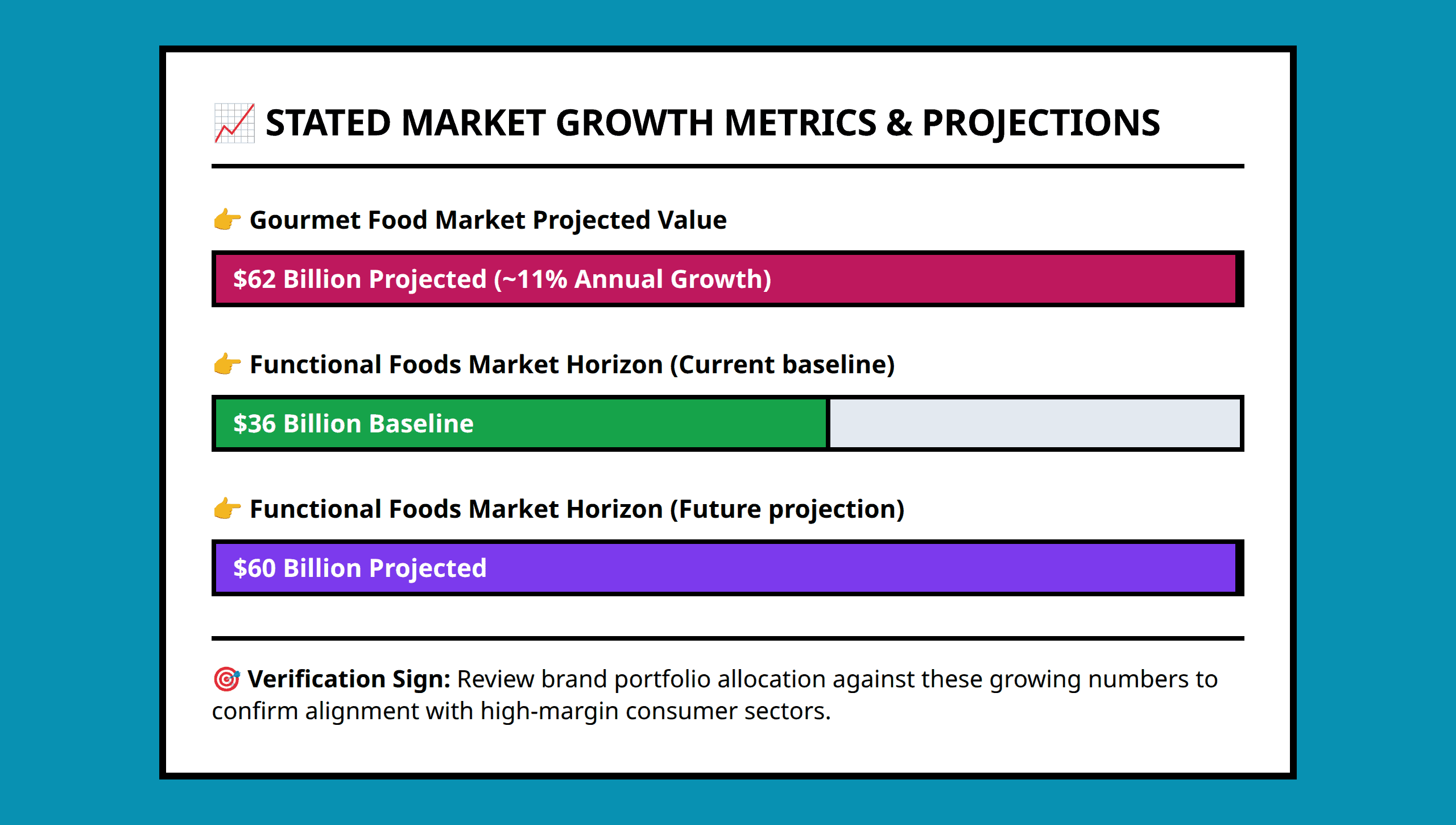
A major area of growth is functional foods—products designed not just to feed, but to provide specific health benefits such as improved digestion, immunity support, or energy enhancement. This segment has shown strong expansion, with projections indicating growth from around $36 billion to $60 billion in value.
Another important segment is the gourmet food market, which is growing at approximately 11% annually and is projected to reach around $62 billion. This reflects how consumers are willing to pay more for higher-quality ingredients, premium taste experiences, and healthier food alternatives.
For example, a typical supermarket shopper might now compare a standard snack bar with a protein-rich alternative that includes added fiber or reduced sugar. Even small decisions like this reflect a broader shift toward functional and health-oriented purchasing behavior.
The rise of organic and Fair Trade products also reinforces this trend. These products appeal to consumers who care about sustainability, ethical sourcing, and long-term health impacts rather than just price or convenience.
Digital Marketing and Emerging Media Channels
Digital transformation has fundamentally changed how consumer goods companies connect with customers. Traditional advertising—TV, print, and in-store promotions—still exists, but it is now supported and often replaced by digital engagement systems.
One of the most important tools in this shift is the CRM system (Customer Relationship Management). These systems allow companies to track customer behavior, analyze purchasing patterns, and personalize marketing messages. Instead of broadcasting a single message to everyone, brands can now tailor communication based on individual preferences.
For example, a consumer who regularly buys low-sugar beverages might receive targeted promotions for similar products through mobile apps or email campaigns, while another customer interested in snacks might see completely different recommendations.
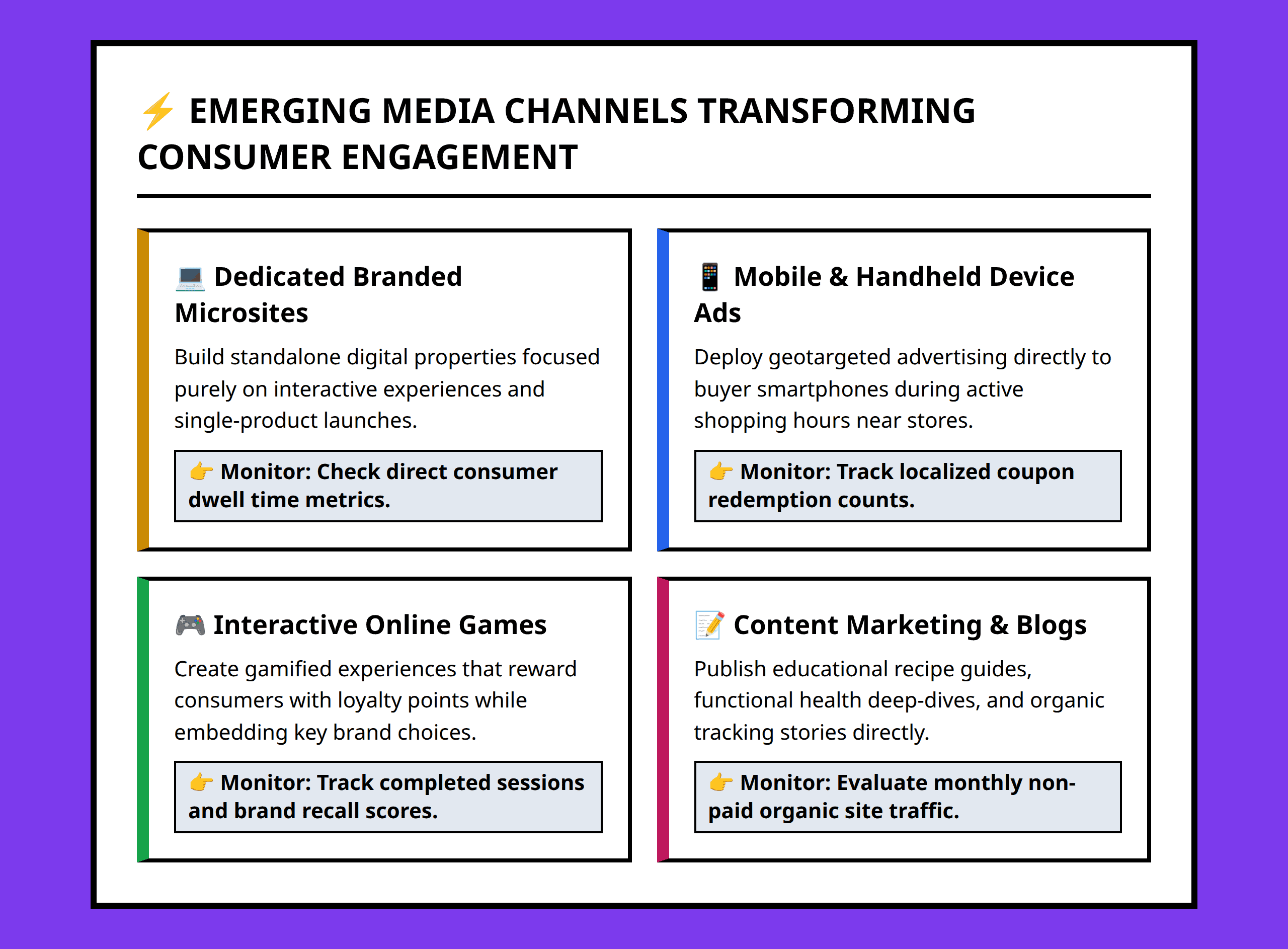
Emerging media channels have also expanded the way brands engage with audiences. Companies now use social media campaigns, microsites, blogs, online games, and mobile advertising to create interactive experiences rather than one-way advertisements.
A practical example is a brand launching an online game where users collect points for interacting with products or learning about ingredients. These campaigns are not just entertainment—they are designed to increase brand engagement and collect behavioral data for future marketing decisions.
Mobile advertising has become especially important as consumers spend more time on handheld devices. This shift allows brands to reach customers in real time, often at the exact moment of purchase decision-making.
Alliances and Co-Branding Strategies
Another major trend in the consumer goods industry is the rise of strategic alliances. Instead of competing independently, companies are increasingly partnering to share resources, reduce risk, and enter new markets more efficiently.
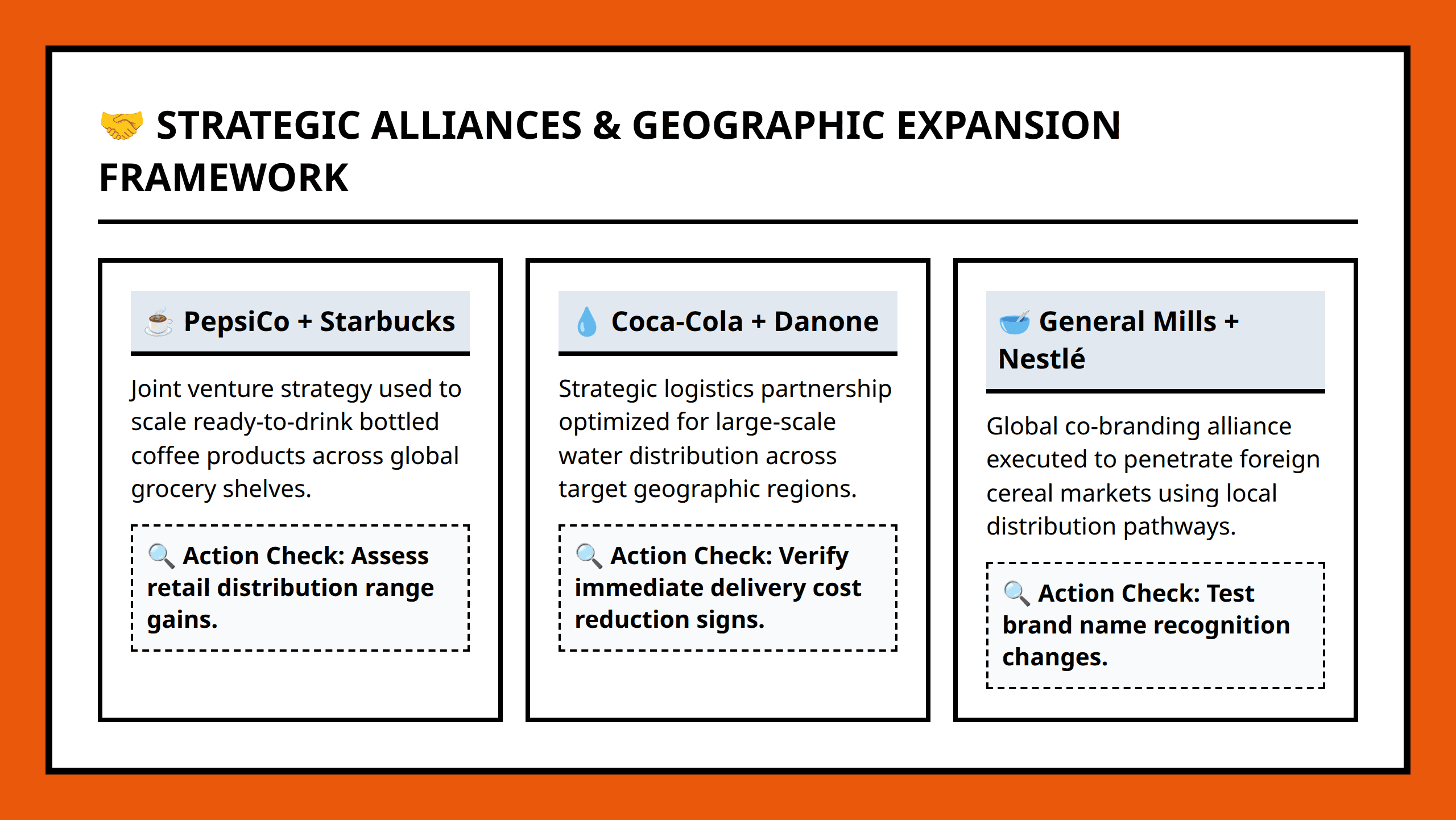
One well-known example is the PepsiCo and Starbucks bottled coffee partnership. In this arrangement, one company contributes beverage expertise while the other brings brand recognition and retail distribution strength. Together, they can reach customers more effectively than either could alone.
Another example is the Coca-Cola and Danone water distribution partnership, which shows how companies collaborate to expand geographic reach and strengthen supply chains in competitive beverage markets.
These alliances are not limited to beverages. In many cases, companies combine strengths across different product categories or regions to build more resilient business models.
A simple way to understand this is to imagine two companies sharing infrastructure: one brings strong production capabilities, while the other brings established retail access. Together, they reduce costs and expand market coverage without building everything from scratch.
Private Labels and Retailer Pressure
While global brands continue to grow, they are also facing increasing pressure from retailers who are launching their own private label products. These store brands often offer similar quality at lower prices, creating direct competition with established CPG companies.
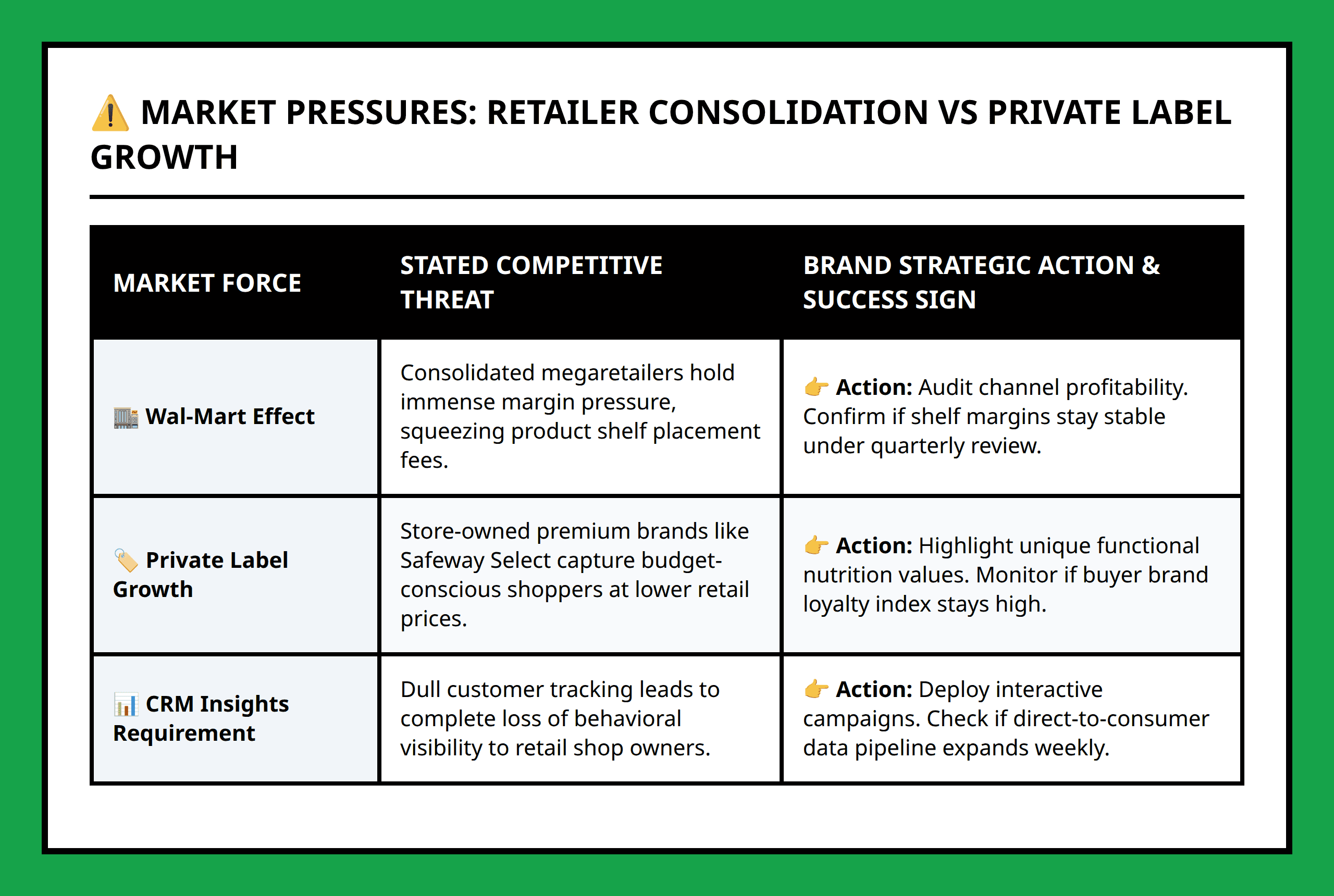
An example of this trend is Safeway Select, a private label brand that competes with national food and household brands by offering lower-cost alternatives within the same store environment.
This shift is part of what is often called the Wal-Mart effect, where large retailers gain significant bargaining power over manufacturers. As retailers consolidate, they can demand lower prices, better terms, or exclusive product arrangements from consumer goods companies.
For CPG companies, this creates a difficult balance. They must maintain strong brand identity while also competing against lower-priced private label alternatives that are often placed directly beside them on store shelves.
How These Trends Work Together
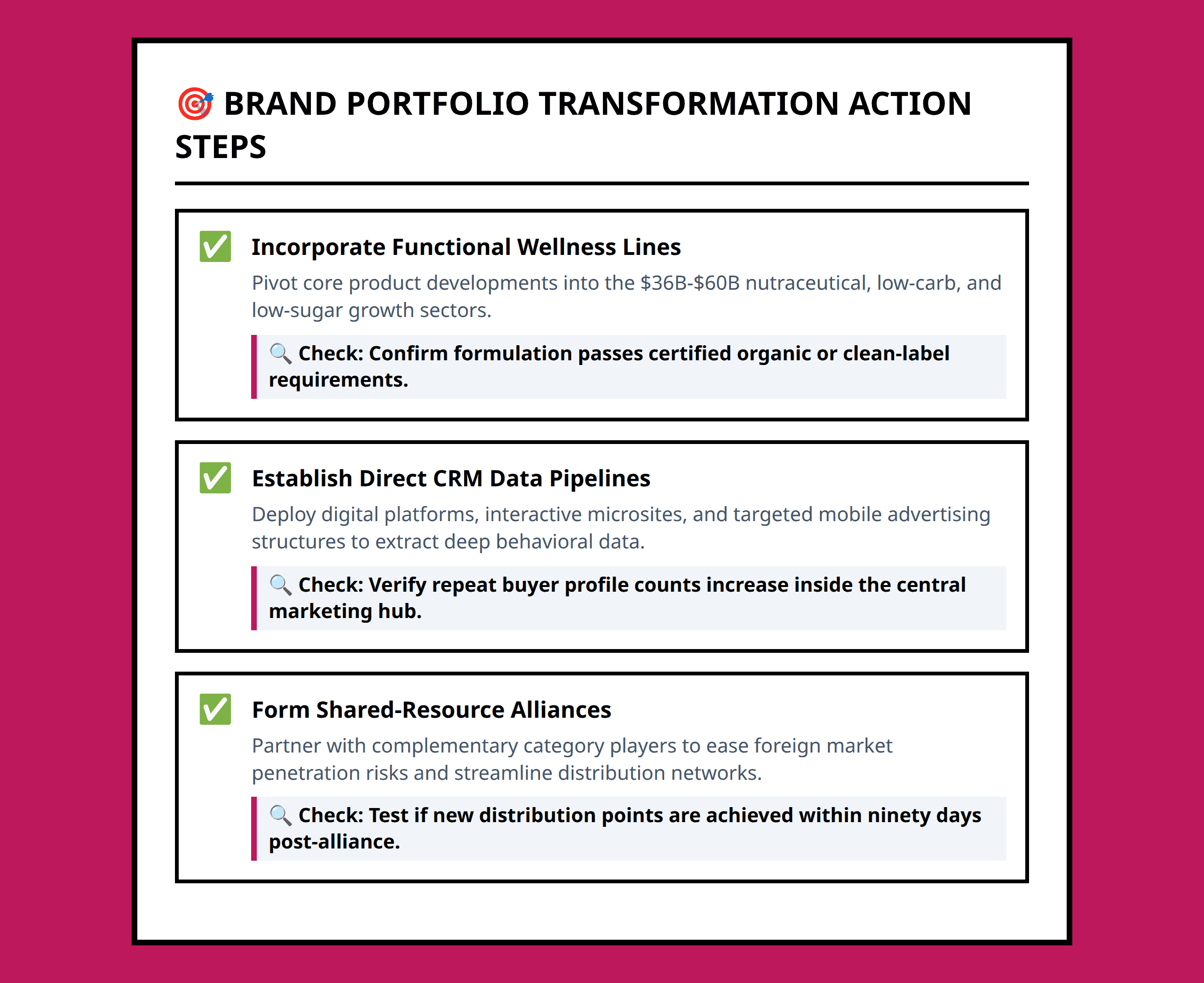
Individually, each of these trends—health focus, digital marketing, and strategic alliances—would already be significant. But together, they are reshaping the entire structure of the consumer goods industry.
Health trends change what people want to buy. Digital tools change how companies understand and influence those decisions. Alliances change how companies scale and compete globally. At the same time, retail pressure forces brands to constantly justify their value against cheaper alternatives.
For example, a health-focused snack brand might use CRM data to target fitness-conscious consumers, partner with a global distributor to enter new markets, and compete directly with a private label version of a similar product in the same store aisle. All three forces interact at once.
What This Means for Strategy in Consumer Goods
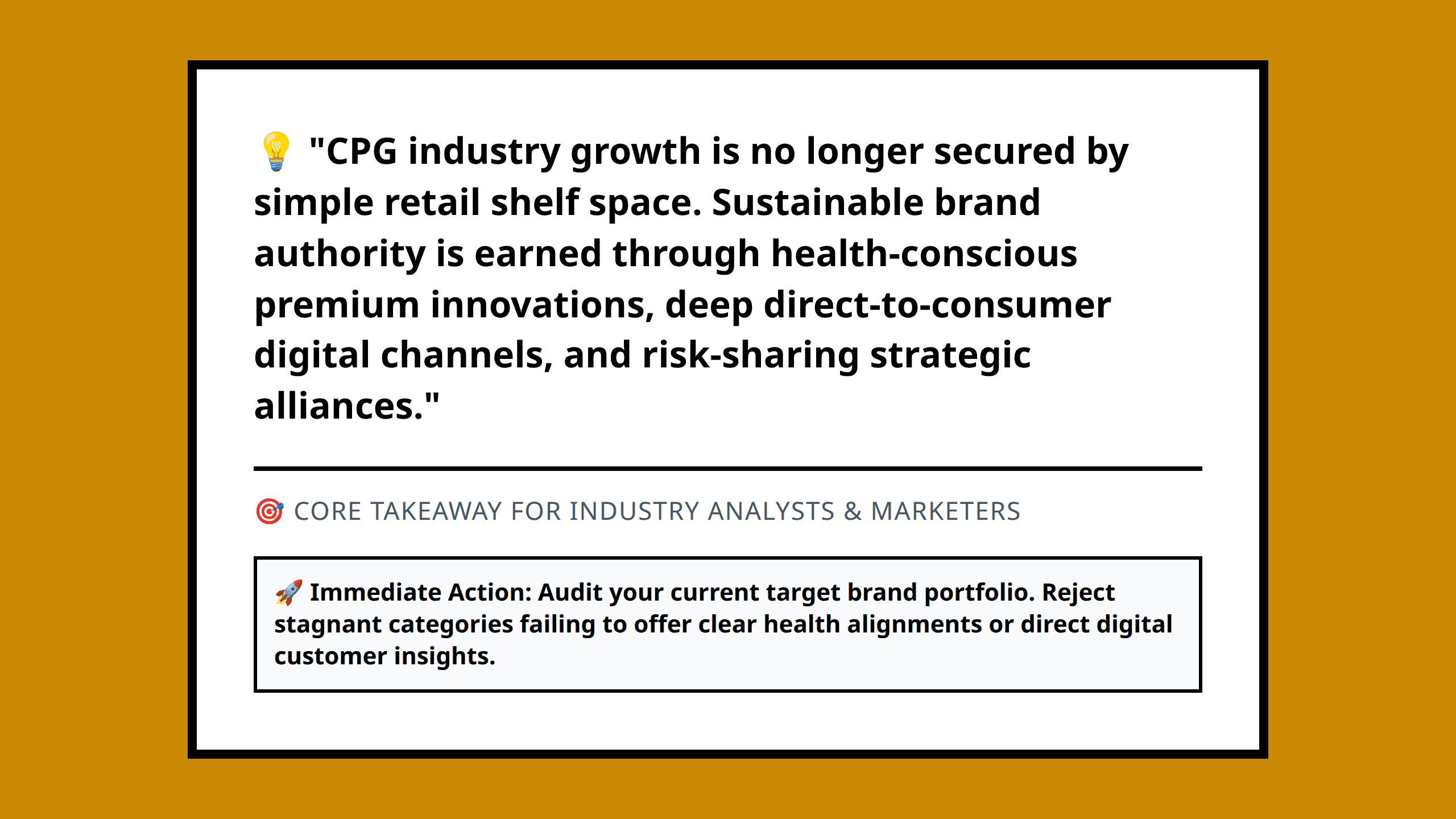
From a strategic perspective, companies in the consumer goods industry can no longer rely on a single advantage like product quality or brand recognition. They need to operate across multiple dimensions at once.
That means investing in product innovation, strengthening digital infrastructure, and building partnerships that expand reach. It also means continuously monitoring consumer behavior, especially in health-related purchasing decisions and digital engagement patterns.
The companies that adapt fastest are often the ones that treat these trends not as separate challenges, but as connected parts of a larger system.
FAQ
- Functional Foods: Food products designed to provide additional health benefits beyond basic nutrition, such as improved immunity or digestion.
- CRM System: A digital system used by companies to track customer behavior and manage personalized marketing and relationships.
- Private Label: Products created and sold by retailers under their own brand name instead of a manufacturer’s brand.
- Co-Branding: A partnership where two companies combine brands or resources to market a product together.
- Wal-Mart Effect: The influence large retailers have on pricing, supplier negotiations, and market competition in consumer goods.
References:
- https://www.deloitte.com/us/en/insights/industry/consumer-products/consumer-products-industry-outlook.html
- https://www.netsuite.com/portal/resource/articles/business-strategy/cpg-industry-trends.shtml
- https://www.pwc.com/us/en/industries/consumer-markets/library/future-of-cpg.html
- https://pmc.ncbi.nlm.nih.gov/articles/PMC12865291/
- https://www.mckinsey.com/industries/consumer-packaged-goods/our-insights/what-consumer-packaged-goods-companies-can-learn-from-disruptor-brands
- https://thetraceabilityhub.com/the-evolving-cpg-consumer-packaged-goods-industry-trends-growth-drivers-the-digital-future/
- https://www.huronconsultinggroup.com/en/insights/eight-disruptive-forces-shaping-consumer-goods
- https://vivaldigroup.com/overcoming-challenges-facing-consumer-packaged-goods-brands/
- https://www.fmi.org/industry-topics/omnichannel
